

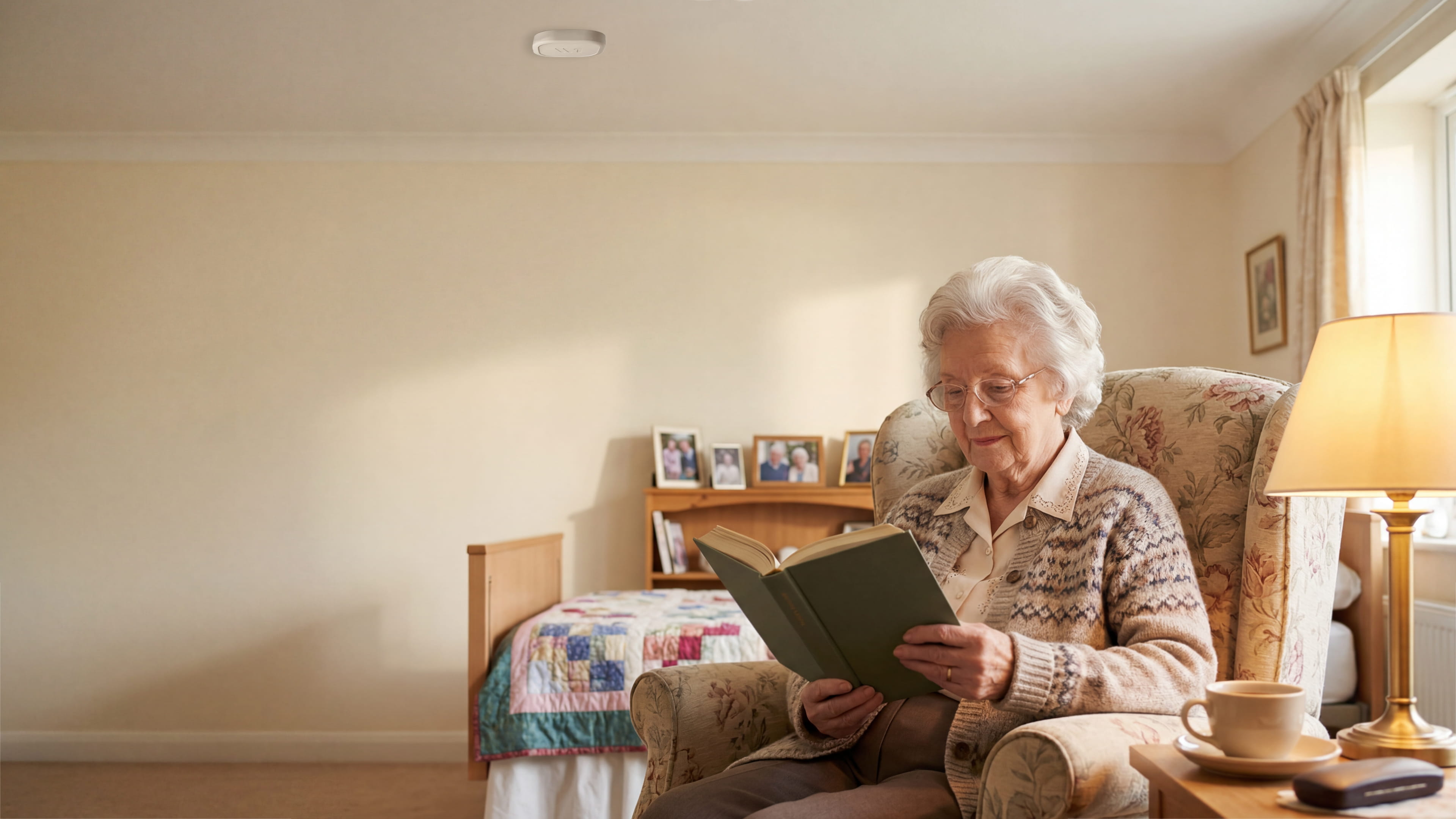
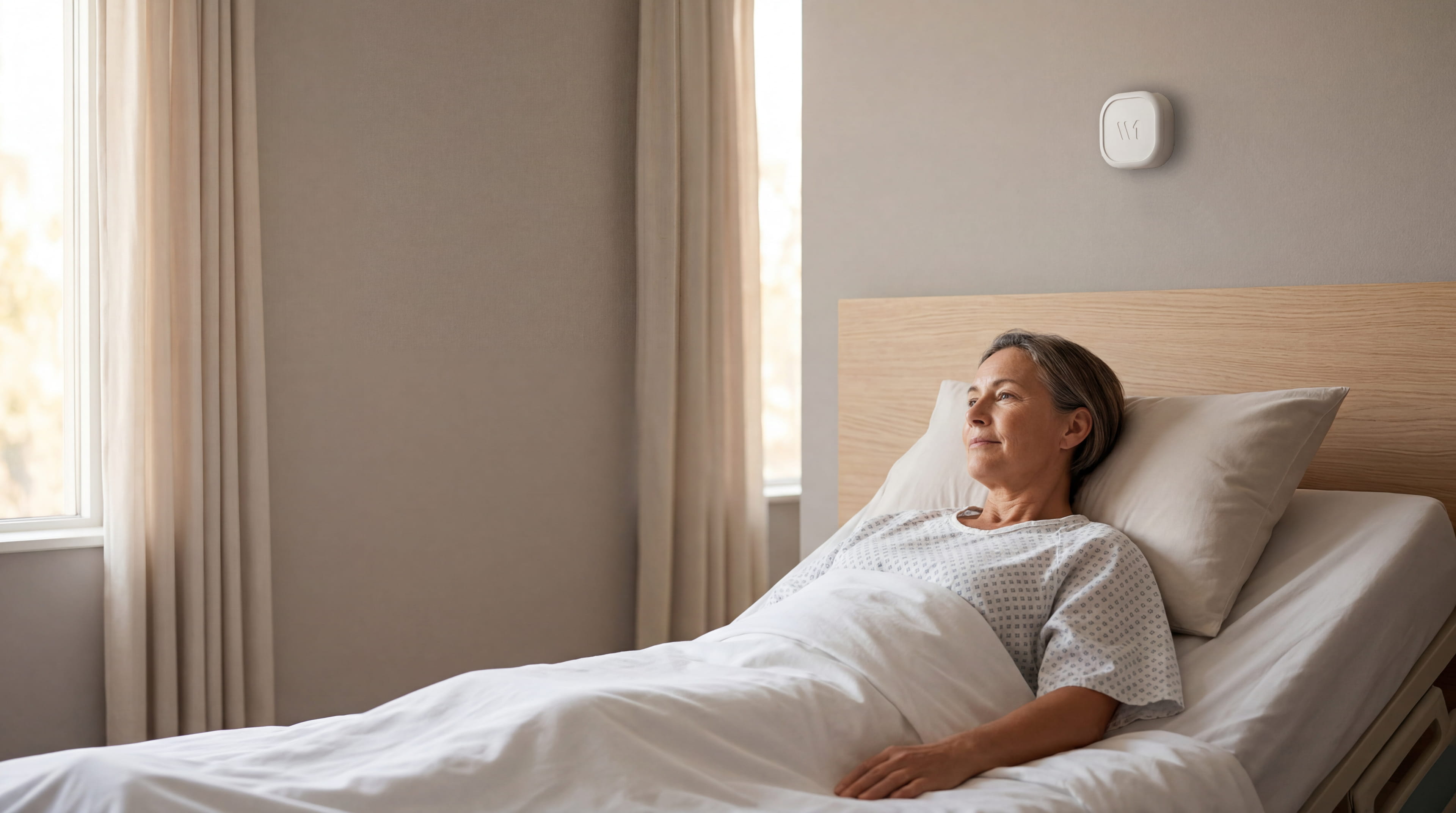
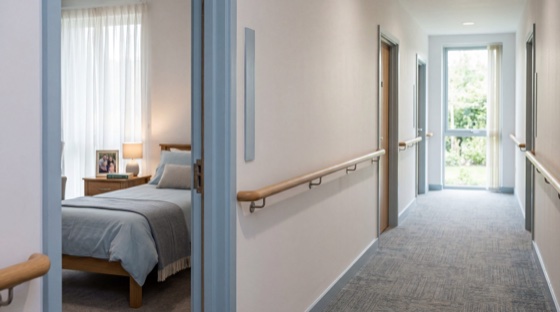
In most care homes in England, someone opens a bedroom door every hour or two through the night. A torch beam sweeps the bed. If the resident is breathing and settled, the door closes, a line is written on a chart, and the round moves on.
Almost nobody in the sector defends this routine as good care. It persists because the alternative feels worse: a resident who falls at one in the morning and is not found until the two o’clock round has lain on the floor for the best part of an hour. Faced with that risk, managers keep the rounds and accept the cost.
That trade-off deserves more scrutiny than it usually gets. The cost is not trivial, the evidence base is clearer than most managers realise, and the regulatory position is almost universally misunderstood.
The cost of the round
Sleep disruption in long-term care is not a marginal concern. It is one of the defining features of the environment. Difficulties with sleep are more common and more severe among long-term care residents than among older people living in the community, and the causes are many: illness, medication, circadian disruption, pain, breathlessness, reflux, and the need to use the toilet during the night.
Night care itself belongs on that list. Research into sleep in care homes has found that care-giving processes at night disturb sleep, which is a key element of everyday wellbeing for older people. The care that is meant to protect residents is one of the things keeping them awake. That is an uncomfortable finding, and it is not a new one.
The downstream effects are well documented, particularly for residents living with dementia. Sleep disturbances affect around 38% of people with dementia living in care homes, and commonly include waking at night, getting up at night, and excessive daytime sleepiness. Sleep disturbance is consistently associated with agitation in residents and with distress among the nurses and care workers looking after them. The same body of work finds a lack of evidence for many of the treatments used to manage it, and notes that some common techniques may be counterproductive.
There is a second cost, borne by staff. A thorough round of a forty-bed home with two waking night staff takes a substantial part of every hour. In practice, night teams often finish one round with little time before the next is due, which leaves limited capacity for the residents who are actually awake and need something. Staff themselves report insufficient night-time staffing to attend to residents who wake and need reorienting. The round consumes the time that could have gone to the person who needed help.
What the round does not do
A check is a snapshot. It tells you the resident was safe at 1:00am and safe at 2:00am. It says nothing about the fifty-nine minutes in between, which is where most incidents actually happen.
This is the structural weakness of interval-based checking and it cannot be fixed by checking more often. Halve the interval and you double the sleep disruption while still leaving a gap. Bring the interval down far enough to close the gap meaningfully and the staffing cost becomes impossible for any home to bear.
Documentation is a related weakness. Night round records are frequently completed at the end of a shift rather than at the point of the check, which means the chart that is supposed to evidence care sometimes evidences only that someone wrote a chart. Under inspection, that distinction matters.
What CQC actually requires
Here is the part that surprises most registered managers, and it is worth stating plainly.
No regulation requires hourly night checks. No regulation specifies any fixed interval at all.
Search the fundamental standards and you will not find a checking frequency, because CQC does not regulate by prescribing routines. Its assessment framework is built around five key questions, with quality statements underneath them describing what good care looks like and linking back to the regulations. The relevant question is whether care is safe, effective, caring, responsive and well led for the individual resident, and whether the provider can evidence that.
The hourly round is not a legal requirement. It is a convention, adopted in the absence of anything better, and then defended as though it were mandated.
Two consequences follow, and they cut in opposite directions.
The first is liberating. A home that has assessed a resident’s individual risk and concluded that a two-hourly check is appropriate, and that has recorded that reasoning, is on firmer ground than a home performing hourly checks because it has always performed hourly checks. Blanket routines applied identically to every resident are the opposite of person-centred care, and inspectors read them that way.
The second is uncomfortable. If the routine is not mandated, it cannot be defended by pointing at the regulation. It has to be defended on its merits: as an assessed, documented, proportionate response to a specific person’s risk. And if a home is disturbing a sleeping resident every hour without an assessed reason for doing so, that is not automatically safe practice. It may be the opposite. Sleep disturbance in care settings is increasingly read by inspectors as a dignity and wellbeing issue in its own right, not as an acceptable side effect of diligence.
The question inspectors are moving towards is not “how often do you check” but “how do you know this resident is safe, and how do you know your approach is right for them”.
Where technology fits, and where it does not
This is the point at which most articles on this subject stop being useful, because they are written by companies selling something, and the argument arrives at a predictable destination: buy the system, stop the checks.
That is not a claim the evidence supports, and it is not a claim we make.
The most instructive finding in the literature is not about sensors at all. It is about staff. Research into care staff acceptance of night-time technology found a clear hesitancy to rely on it: to fulfil a professional duty of care at night, staff perceive the personal assessment of a resident’s wellbeing as best performed by a person.
That instinct is correct and should not be argued away. A person entering a room brings judgement that no sensor has. They notice the change in colour, the smell that suggests infection, the position that is subtly wrong, the resident who is awake and frightened but has not called out. A monitoring system does none of that. It does not assess, and it does not care.
What it can do is fill the interval. Continuous, contactless monitoring covers the fifty-nine minutes between checks that no round can reach. It can indicate that a resident has not moved for an unusual period, that someone appears to have fallen, or that a scheduled check is overdue, and it can put that in front of staff at the moment it happens rather than at the next round.
That is a different proposition from replacing the check. The honest framing is that technology sits between checks and supports them. It changes the picture from “safe at 1:00am, safe at 2:00am, unknown in between” to a continuous account of the hours in between, with the human check still doing the job only a human can do.
It also produces a record. A system that logs presence, movement and completed welfare checks with timestamps generates the audit trail that retrospective paper charting cannot, which matters when a home has to demonstrate to an inspector what its night care actually looked like on a specific night three months ago.
There is a further point worth making, because vendors rarely do. Monitoring technology is not evidence of safe care by itself. A home that installs a system and stops thinking has not improved anything. The system is an input to staff judgement, and it is only as good as the response behind it.
Where this leaves a care home
The honest position is that there is no clean answer, and any supplier telling you otherwise is selling harder than they should.
What a home can reasonably do is stop treating the hourly round as a fixed obligation and start treating night care as something to be assessed, justified and evidenced like any other aspect of care. That means asking, for each resident, what their actual risk is overnight, what response that risk warrants, whether the current routine is proportionate to it, and what is known about the hours between checks.
For most homes, the honest answer to that last question is: nothing. That is the gap worth closing.
Welfare One is a contactless welfare monitoring platform built for exactly this gap. It uses ultra-wideband radar rather than cameras, microphones or wearables, so residents wear nothing, do nothing, and are not filmed or recorded. It provides continuous presence, movement and fall detection between checks, alongside welfare check scheduling and an auditable record of what was checked and when.
It does not replace the human check. It is designed to support it.